
Introduction
Patients with osteoarthritis (OA) suffer from a degenerative disease that causes several physical disabilities and pain. Despite the few studies involving exercise combined with geotherapy (a therapy using poultices made from earth materials such as clay or mud) for patients with OA, this subject is still under debate, as effect of the earth material remains unclear. The aim of this study was to compare pain, joint stiffness and disability in patients who underwent kinesiotherapy (K) or geotherapy combined with kinesiotherapy (GK).
Method
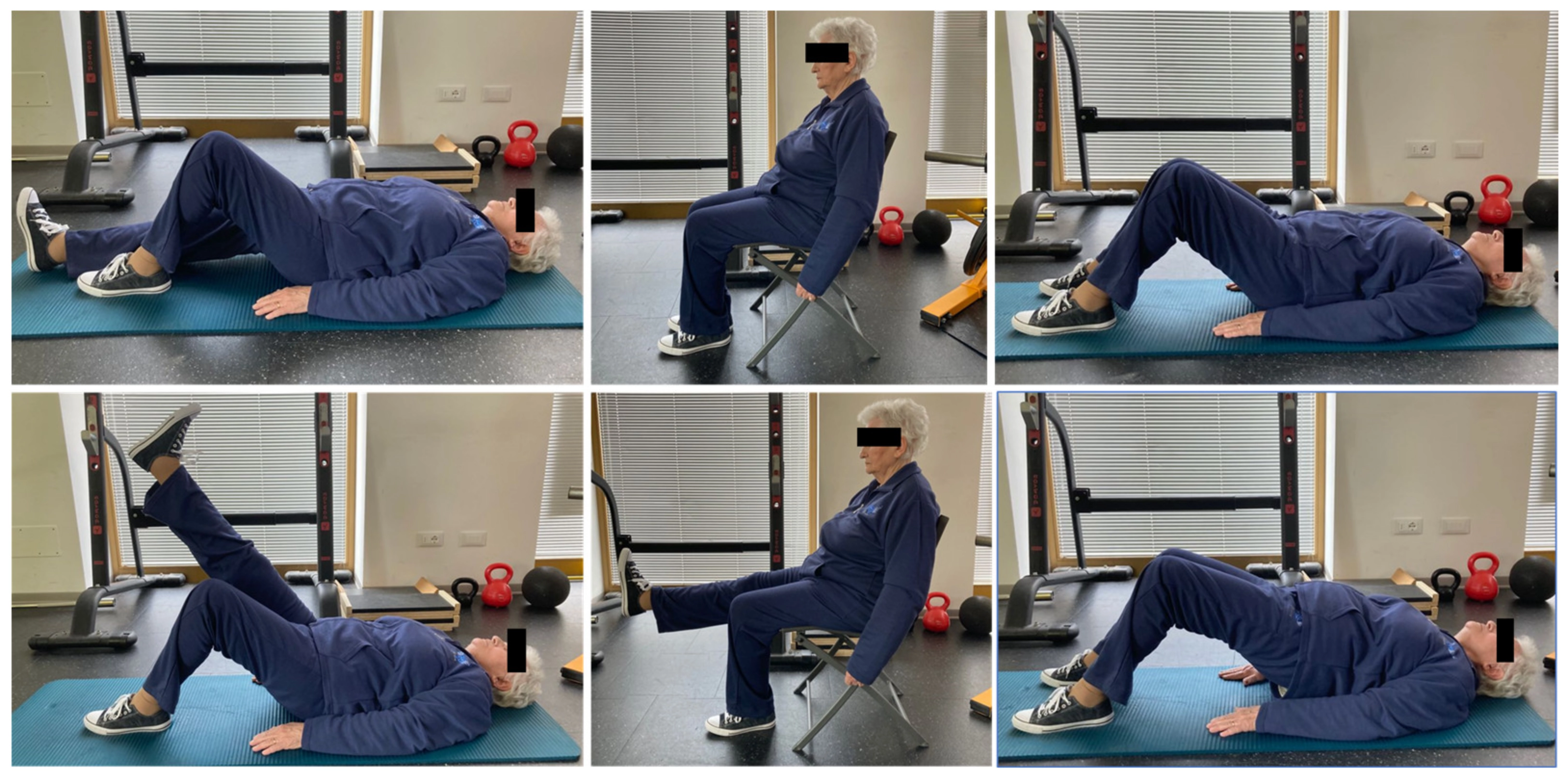
This was a clinical randomized single-blinded prospective study, in which 48 individuals participated. Volunteers were evaluated for pain perception, pressure pain tolerance thresholds, and responded to questionnaires about pain, joint stiffness and physical disability (WOMAC) and about symptoms and disability (Lequesne Algofunctional Index). Patients in K group underwent 15 twice-weekly sessions of kinesiotherapy consisting of stretching and strengthening exercises for lower limbs. GK patients received a poultice of powder dolomite mixed with hot water on the knees for 25 min before each of the 15 sessions of the same kinesiotherapy program.
Results
Both interventions were effective in reducing pain, joint stiffness and physical disability (p < 0.001), and in increasing pressure pain thresholds (p < 0.05); however, patients who underwent GK presented a more pronounced reduction in pain perception (p = 0.006) than those in K group. They also exhibited more tolerance to pain in all sites evaluated.
Conclusion
Both interventions were effective in reducing pain, joint stiffness and physical disability, but GK produced significantly better results in pain perception.
Introduction
Osteoarthritis (OA) is a degenerative disease causing patients several physical disabilities. In addition to pain, individuals living with OA may experience muscle weakness, joint stiffness, cracklings, deformities and functional impairments (Busija et al., 2010; Alkan et al., 2014; Aghdam et al., 2013).
The knee is the joint most affected by this disease, which is the fourth leading cause of disability worldwide (Hunter and Bierma-Zeinstra, 2019). Age is the main risk factor for OA, although female gender and obesity are also important risk factors for knee OA (Hunter and Bierma-Zeinstra, 2019).
The increase in lifespan in various populations increases the need to view OA as a public health issue, as it is one of the main causes of pain and disability among adults and elderly people (Allen and Golightly, 2015).
Several therapeutic interventions to promote symptomatic relief or improvement in functionality have been evaluated in patients with OA. Appropriate treatment modalities include biomechanical interventions, intra-articular corticosteroids, land-based and water-based exercises, education and self-management programs, weight control, and modalities of strength exercises (McAlindon et al., 2015). In addition to the well-established drug therapies, surgical interventions, and therapeutic exercises, other treatment options to promote pain relief have been studied in recent years, including thermotherapy, cryotherapy, hydrotherapy, electrotherapy, ultrasound, laser and natural products (Arthur et al., 2012; Maly and Robbins, 2014; Rezende et al., 2013).
Exercise therapy has been shown to improve muscle strength, flexibility and proprioception, thus relieving the symptoms of OA (Duarte et al., 2013; Fransen et al., 2015). Accordingly, exercise is a recommended non-pharmacological intervention for the treatment of knee OA (McAlindon et al., 2015; Li et al., 2016). In a recently published study of our research group (Oliveira et al., 2016) we compared two types of therapeutic exercises, resistance exercise and kinesiotherapy (therapeutic exercises including stretching, isotonic, isometric, and isokinetic strengthening), and have demonstrated that both were effective in improving pain, joint stiffness, functional mobility and muscle strength in patients with knee OA. However, more investigations are desirable to provide health professionals with consistent information about the management of this condition.
Natural products as they are used in herbal medicine and geotherapy have been tested in some rheumatic diseases (Zhang et al., 2016; Zhong et al., 2013; Tefner et al., 2013). Geotherapy is defined as the therapeutic use of clays, natural earth materials composed by different minerals such as lamellar silicates of magnesium and aluminium, quartz, feldspar, carbonates, metallic oxides and calcium (Teixeira Neto and Teixeira Neto, 2009). This technique has already been described by a previous study that compared the effects of geotherapy versus herbal medicine combined with kinesiotherapy (Arthur et al., 2012). Nonetheless, in order to acknowledge the effects of geotherapy, it is necessary to compare groups differentiated by the usage of this natural product. As it is a low-cost, easy-access product, and the preliminary indications suggest benefits to persons living with OA, this study aimed to compare pain, joint stiffness, and disability in patients with knee osteoarthritis who underwent two types of treatments: kinesiotherapy (K), and geotherapy combined with kinesiotherapy (GK).
Section snippets
Methods
The present study was approved by the Ethics Research Committee of the Adventist University of Sao Paulo (protocol number 243.745) and was registered at the Brazilian Registry of Clinical Trials (www.ensaiosclinicos.gov.br). All volunteers signed an informed written consent. It was a clinical, randomized, single-blinded prospective study in which 48 adults and elderly individuals of both genders participated. The study was conducted at the Adventist University of São Paulo Clinic.
Recruitment of
Results
A total of 279 patients with OA were recruited, but 231 were excluded for not meeting inclusion criteria (n = 113), being unable or unwilling to participate (n = 44), or not responding to calls (n = 74). The remaining 48 patients were randomly assigned to kinesiotherapy or geotherapy with kinesiotherapy. There were no reports of adverse events related to participation of patients in both intervention groups. Out of the 24 patients in each group, 9 from K and 2 from GK dropped out for personal
Discussion
The aim of this study was to compare pain, joint stiffness and disability in patients with knee OA after an intervention with Kinesiotherapy or Kinesiotherapy combined with Geotherapy. Data revealed that both interventions were effective in reducing pain, joint stiffness and physical disability; nevertheless, patients who underwent geotherapy presented a more pronounced reduction in pain perception (assessed by VAS). VAS is a subjective measurement of pain, and for that reason a gold standard
Conclusion
Geotherapy combined with kinesiotherapy is more efficient than kinesiotherapy alone in reducing pain, joint stiffness, physical disability and discomfort of patients with knee osteoarthritis.
Conflicts of interest
Authors declare to have NO conflict of interest related to this research.
Fabio Marcon Alfieri,
Maria Carolina Cabral Barros,
Katia Cristina de Carvalho,
Isabelly Toral,
Cristina Fontoura da Silva,
Natalia Cristina de Oliveira Vargas.